





Solar panels for pubs that pay for themselves on cellar cooling and kitchen load
Solar panels for pubs are not a green gesture, they are a hard-headed answer to the single biggest controllable cost a licensee carries after wages and stock. A working pub draws power right through the trading day: cellar cooling runs constantly to keep beer and cask in condition, kitchen extraction and refrigeration build through every service, glass washers and coffee machines cycle all afternoon, and lighting carries the room from a lunchtime trade into the late evening. Because that demand lands squarely in the daylight and early-evening hours when panels generate most, the electricity you make is used on the premises rather than sold back to the grid at a fraction of its value. That is the whole game. Self-consumption is what drives solar payback, and a busy pub or restaurant typically uses a high share of what it produces, which is why a system on a hospitality venue earns its keep rather than sitting idle for half the year.
Why pubs and hospitality venues suit solar so well
Three things make a pub an unusually good home for an array. First, the load profile. Long trading hours and steady cellar, kitchen, refrigeration and lighting demand mean the building is drawing power for most of the day, exactly when generation peaks, so very little of what you make is wasted. Second, the surfaces. Most operators picture the public frontage and assume there is nowhere to put panels, but the flat-roofed kitchen extension, the function-room wing, the trade outbuildings, the car park and the beer garden usually give far more room to work with than the elevations that matter for kerb appeal. Third, the story. A visible rooftop array gives an independent free house or a managed estate a credible, auditable sustainability case for customers, brewers and investors, and it nudges leased premises towards the EPC B Minimum Energy Efficiency Standard expected for commercial property by 2030, which increasingly shapes whether a landlord renews or invests in a site. A predictable electricity bill is a rare lever in a trade where margins are tight and input prices are set elsewhere, and a system that owns a slice of your supply for two decades insulates you from the next round of tariff shocks.
How we size a system for your pub
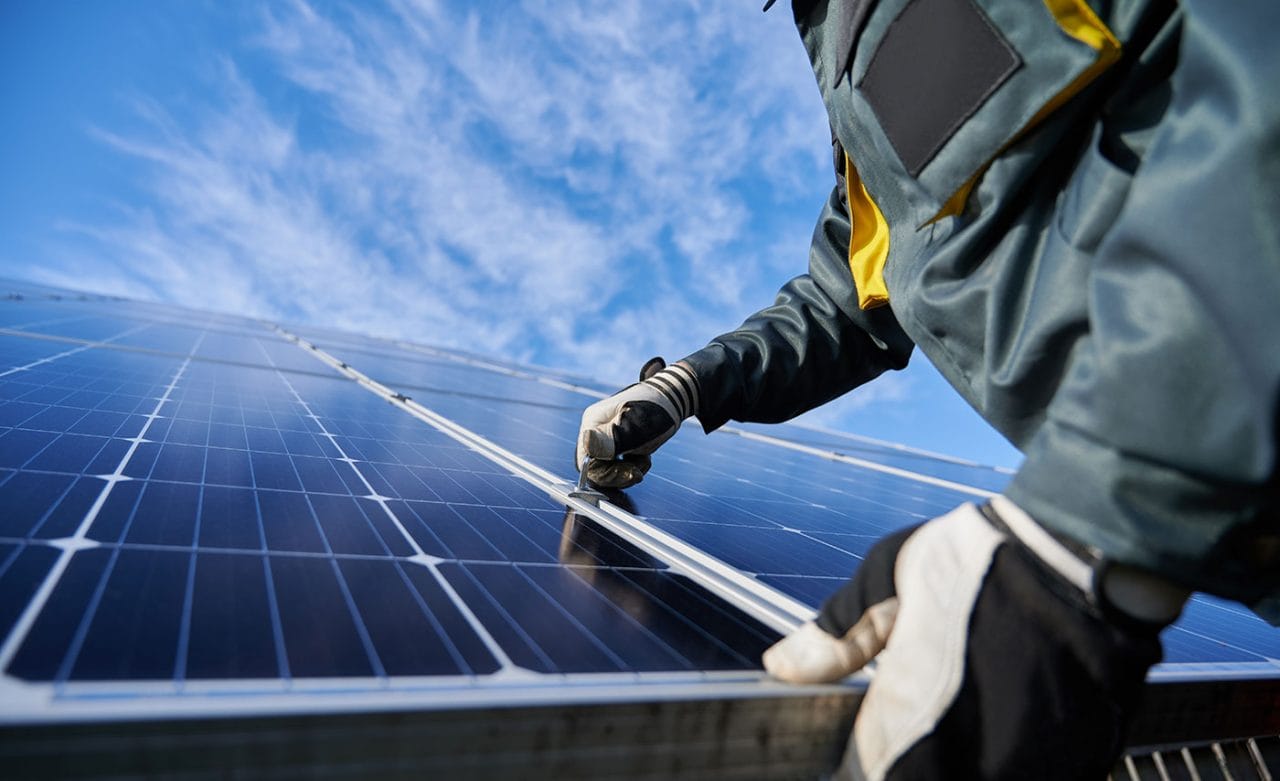
For a pub or restaurant we usually design a system in the 10 to 100 kW range, which is roughly 18 to 185 panels across about 60 to 600 square metres of roof. A system of that size generates in the region of 9,000 to 92,000 kWh a year and saves somewhere between 2 and 21 tonnes of CO2 annually, a figure that goes straight into your sustainability reporting. We never simply fill the roof, because a pub is not a constant-load building. Demand peaks around lunch and evening service and dips in the quiet midmorning and mid-afternoon, so over-sizing wastes money on power you would only ever export at a low rate. Instead we size a modest array to the genuine daytime cellar, kitchen and lighting baseload, then layer in EV charging to soak up the midday generation that would otherwise leave the site. Where roof space is tight, which it often is on a historic building, a beer-garden canopy or a car-park solar carport adds meaningful capacity without touching the listed elevations. Throughout, we pull at least twelve months of half-hourly meter data and model EV-charging growth into the load before we settle the final size, so the system matches how your pub actually trades across the week and the seasons rather than an optimistic snapshot. Sizing here is driven by your daytime baseload, not your roof area.
Costs, payback and tax relief
A pub project typically lands between £10,000 and £90,000 depending on the size of the site and the roof available, with a simple payback near 6.5 years and the electricity effectively free for the fifteen to twenty plus years that follow commissioning. A small wet-led local at the lower end of that range is a very different proposition to a large roadside dining pub with a sprawling kitchen, and we cost each on its own load and roof rather than a rule of thumb. Tax is the part of the sum that shifts the case most. Solar PV ranks as special-rate plant and machinery, so a pub business paying corporation tax can use the 100% Annual Investment Allowance to deduct the full cost from year-one profit, with a limited company recovering up to a quarter of the project value in tax. To be exact about it: a special-rate asset like solar cannot use full expensing, so the claim runs through the AIA, or the 50% First-Year Allowance once a managed estate rollout lifts total spend over the £1m AIA cap and the relief has to be apportioned. These figures are illustrative and depend on your tax position. Our cost guide sets out worked numbers for different sizes of pub, from a single free house to a multi-site estate, so you can see where your site is likely to land before you commit to a survey.
Funding routes for pubs and pub estates
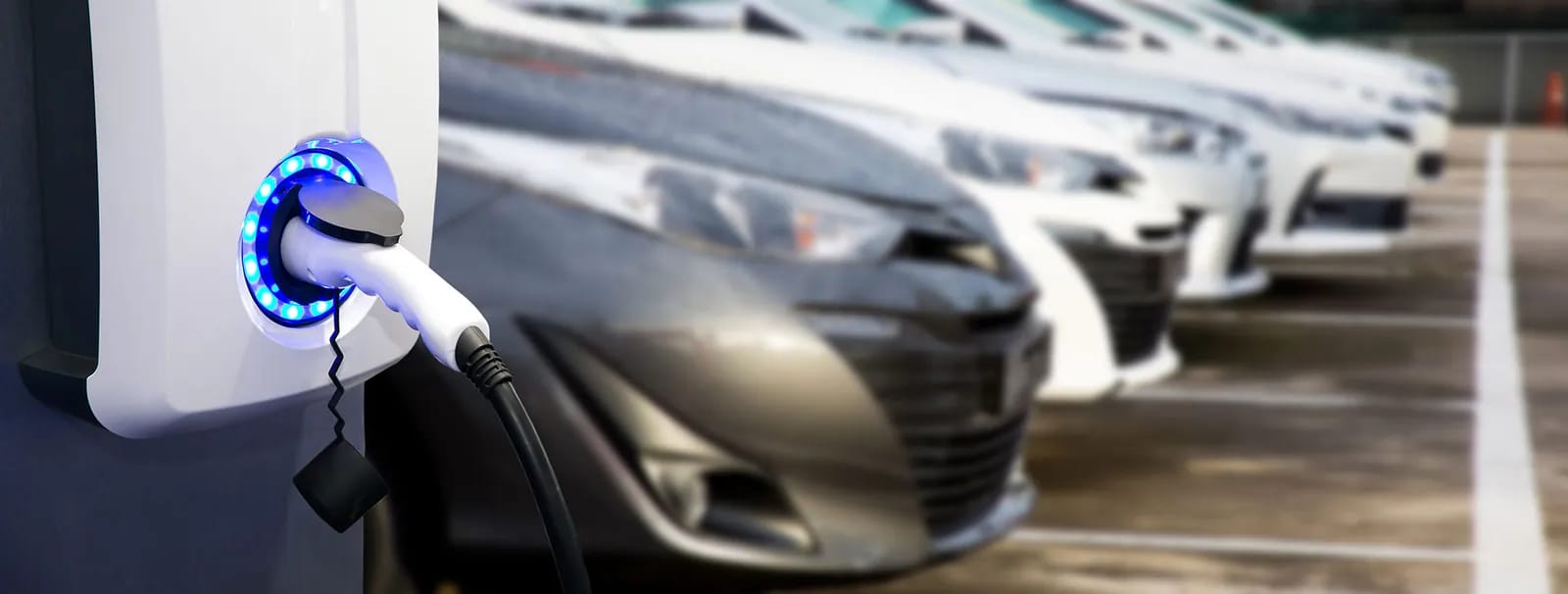
Most single-site pubs fall well within the £1m AIA cap and are fully expensed in year one under Plant and Machinery Capital Allowances, with the 50% First-Year Allowance available where an estate rollout takes spend above the cap. Any surplus you do export is paid for under the Smart Export Guarantee, a supplier-set rate typically four to fifteen pence per kWh in 2026 with some smart and time-of-use tariffs higher, and because those rates are not capped or regulated we shop around on your behalf rather than accepting whatever your incumbent supplier offers. The Smart Export Guarantee matters most for pubs that are quieter midweek or out of season, when generation can outrun the cellar and kitchen load. If you are adding chargepoints for staff or customers, and many roadside and destination pubs now are, the Workplace Charging Scheme covers up to 75% of purchase and installation cost, five hundred pounds per socket and up to twenty thousand pounds per applicant from April 2026, capped at forty sockets. It pairs naturally with solar because daytime charging self-consumes generation at full value, and the scheme closes permanently on 31 March 2027, so applications should be made well ahead of then. We map the combination that fits your business and handle the paperwork, set out in full on our funding routes page.
Compliance, listed buildings and tied-tenancy considerations
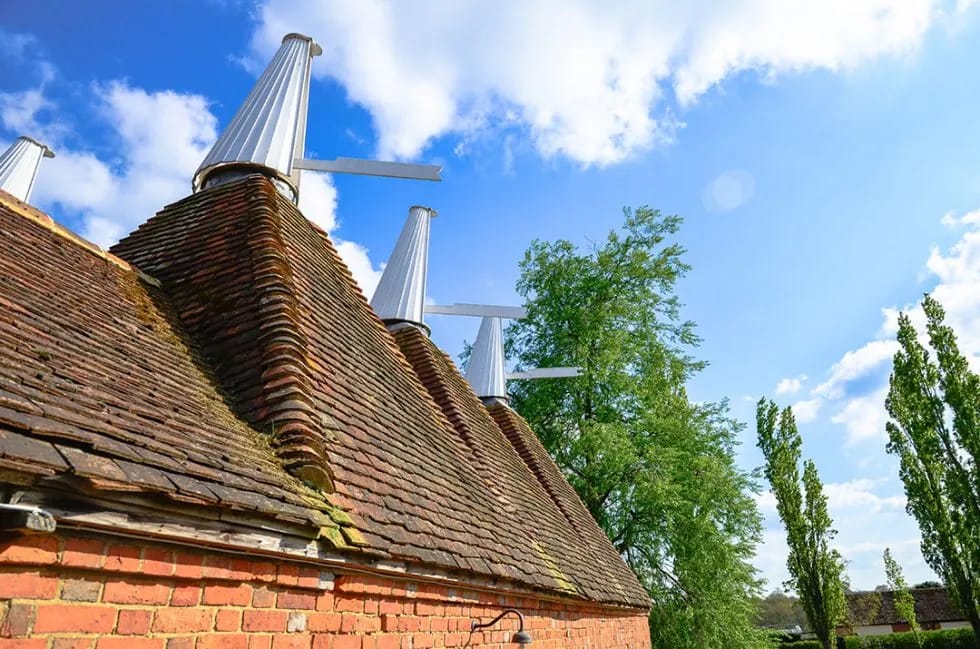
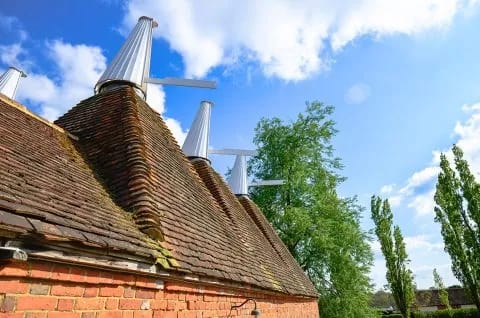
Many pubs are listed or sit in conservation areas, so Listed Building Consent and early engagement with the conservation officer are often required, and we design around that rather than treating it as a blocker. Permitted Development Rights under Class A Part 14 of the GPDO generally cover rooftop PV on commercial buildings within size limits, but they exclude listed buildings and conservation areas, which is where a heritage pub needs the careful route. The usual answer is roof slopes hidden from public view, low-profile all-black panels, or carports and outbuildings that leave the protected frontage untouched, an approach plenty of heritage pubs now run successfully. Ownership is the other defining question for this sector. A free house pays for and keeps the full benefit of its own system, but a tied or leased house within a pubco or brewery estate needs landlord consent and usually a wayleave or licence to alter, which decides who funds the install and who keeps the saving. We provide those consent and wayleave templates, run the landlord conversation for you, and model both tenant-funded and landlord-funded routes so everyone can see who pays and who benefits. On the technical side, older premises frequently have a constrained single-phase supply that can cap system size without a DNO upgrade, and a G99 application is required for connections above 17 kW per phase. Pre-2000 trade outbuildings often carry asbestos cement sheeting that cannot take panels and needs replacing first. Across all of this the usual standards apply: MCS commercial certification for export-tariff eligibility, NICEIC or NAPIT electrical work, RECC and TrustMark, the SPF1981 rooftop fire-safety standard that insurers increasingly expect, and CDM 2015 on larger installs.
How we approach a pub solar project
We start with at least twelve months of your half-hourly meter data so the system is sized to the load your pub genuinely draws across the trading week, not to an optimistic roof-fill figure that looks good on paper and underperforms in practice. We check the roof build-up and survey for asbestos cement sheeting before we quote, never on the day of the install, so the fixed price we give you holds without surprises mid-project. Where the supply or export capacity is the constraint, we submit the G99 grid application early, alongside the structural survey, to start the clock on what is usually the longest single item in the programme. You receive one clear fixed-price proposal that models self-consumption against export, covers any landlord or brewery consent, and sets the funding routes side by side. The workmanship is backed by an insurance-backed warranty, and you get 24/7 remote monitoring with automated underperformance alerts so a fault is flagged rather than quietly costing you generation. We work around your trading pattern in zones so the doors stay open, and the only outage needed is the final grid connection, typically a few hours that we book for a quiet period or a planned shutdown. For groups, we design one repeatable template (rooftop, optional canopy, EV charging and a single dashboard) that rolls across the estate with standard surveys and standard hardware, so you are not re-engineering every site from scratch.
An illustrative pub example
As an illustrative composite based on typical UK projects, and not a real named client: a managed pub-and-restaurant group piloted solar on a flagship roadside dining pub with a large flat-roofed kitchen extension and a sixty-space car park. The site ran heavy kitchen extraction, cellar cooling and lighting, and the group wanted a repeatable template before committing the wider estate. The pilot put around 92 kW on the rooftop with a design option for a 40 kW beer-garden canopy, generating in the region of 85,000 kWh a year for an annual saving near £21,000 and a payback close to 6 years. A single standardised design was signed off for rollout across forty estate sites, the brewery wayleave template was agreed once and reused, and portfolio pricing with a phased three-year capital plan was put in place. The figures are illustrative and depend on the pub, its load profile, tariff and roof, but they show how a single well-designed pilot can de-risk a whole estate decision. If your business spans more than one kind of venue, our pages on pub and restaurant solar and golf and country-club solar apply the same hospitality-led thinking to sites with bars, kitchens and members. When you are ready, see the cost guide and funding routes, then request a free feasibility from your meter data or read the solar FAQs first.